
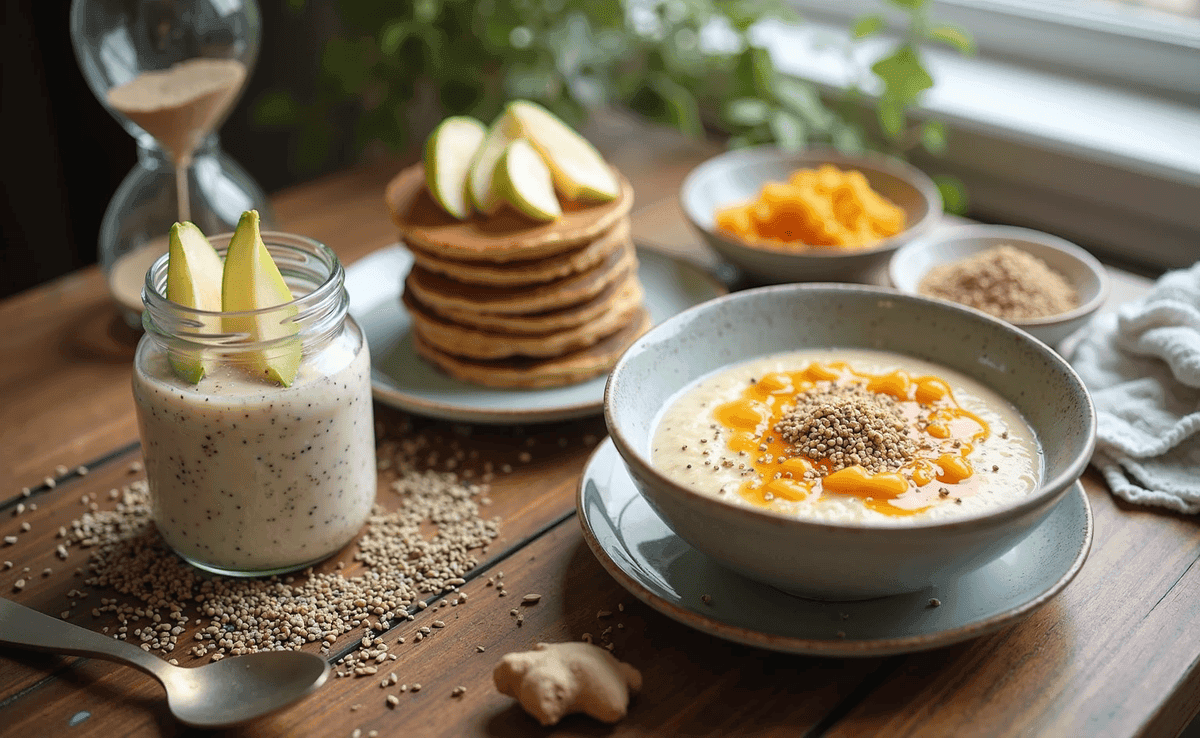
Struggling with morning symptoms from histamine intolerance? You’re waking up with brain fog, headaches, or digestive discomfort—and breakfast feels like a minefield. Eggs trigger you. Dairy makes things worse. And most “quick breakfast” options are loaded with high-histamine ingredients.
The good news? You can enjoy satisfying, delicious breakfasts that won’t leave you feeling terrible by mid-morning. These 10 vegan recipes use fresh, low-histamine ingredients that actually taste good and keep you energized.
What You’ll Learn
- Why mornings are especially tricky for histamine intolerance
- Which breakfast foods to avoid (and safe alternatives)
- 10 simple vegan recipes you can make in 5-15 minutes
- How to prep breakfast without increasing histamine levels
- Essential kitchen tools that make low-histamine cooking easier
When you have histamine intolerance, breakfast isn’t just about what you eat—it’s about timing, freshness, and choosing ingredients that won’t trigger your symptoms. Many people notice their histamine symptoms are worse in the morning because histamine levels naturally rise during sleep.(1)
The challenge? Most convenient breakfast options are off-limits. Eggs can trigger histamine release. Yogurt is fermented. Leftovers have built up histamine. Even your favorite smoothie might contain high-histamine fruits or dairy.
That’s why we created these 10 vegan breakfast recipes. Each one uses fresh, low-histamine ingredients you can prepare quickly. No complicated techniques. No hard-to-find ingredients. Just simple, satisfying meals that help you start your day feeling good.
Understanding Histamine Intolerance and Breakfast
Histamine intolerance happens when your body can’t break down histamine properly. This occurs when you don’t have enough of the enzymes (DAO and HNMT) that clear histamine from your system.(2)
Unlike food allergies, this isn’t an immune response—it’s about how your body processes histamine from foods.
Common morning symptoms include:
- Headaches or migraines upon waking
- Digestive discomfort (bloating, nausea)
- Skin flushing or itching
- Brain fog and fatigue
- Anxiety or rapid heartbeat
Why Mornings Are Harder
During sleep, your body goes through repair processes that can increase histamine levels. Your gut permeability may also be higher in the morning. This makes your first meal crucial for setting the tone for your entire day.
A low-histamine breakfast helps by:
- Reducing your overall histamine load
- Supporting your DAO enzyme function
- Stabilizing blood sugar (which affects histamine)
- Preventing symptom flares later in the day
Why Choose Vegan and Egg-Free?
Many people with histamine intolerance find that eggs trigger their symptoms, even though eggs themselves aren’t high in histamine. Why? Eggs contain proteins that can stimulate histamine release in sensitive individuals.(3)
Similarly, dairy products—even fresh ones—often cause problems. Fermented dairy like yogurt and aged cheese are obviously high in histamine, but even fresh milk can be problematic for some people.
Benefits of plant-based breakfasts:
- Fresh fruits, seeds, and grains are naturally low in histamine
- Easier to control freshness (a critical factor)
- Rich in nutrients that support DAO enzyme function
- Less likely to trigger histamine release
- Better for gut health and inflammation
The key is choosing the right plant foods. Not all fruits and vegetables are safe—some are naturally high in histamine or trigger its release.
What to Eat (and What to Avoid)
Safe Breakfast Ingredients ✓
Fruits:
- Fresh apples and pears
- Blueberries (especially frozen wild blueberries)
- Fresh mango
- Fresh peaches
Grains:
- Cooked oats (not overnight oats)
- Quinoa and quinoa flakes
- Millet
- Rice and rice cakes
- Buckwheat
Seeds and Healthy Fats:
- Chia seeds
- Hemp seeds
- Pumpkin seeds (raw, unroasted)
- Coconut milk (canned, BPA-free, no additives)
- Olive oil (extra virgin, cold-pressed)
Fresh Herbs:
- Basil
- Rosemary
- Parsley
- Fresh ginger
Foods to Avoid ✗
High-Histamine Items:
- All fermented foods (kombucha, sauerkraut, miso)
- Yogurt and aged cheese
- Leftover foods (more than 24 hours old)
- Canned or aged beans
- Citrus fruits
- Strawberries and bananas
- Spinach and tomatoes
- Chocolate
- Vinegar
Important: Histamine builds up in food over time. Always use fresh ingredients and consume meals within 24 hours of preparation.(4)
Nutrients That Support Histamine Breakdown
Your body needs specific nutrients to produce and activate DAO, the main enzyme that breaks down histamine.
Key DAO-supporting nutrients:
- Vitamin B6 – Found in fresh chickpeas and certain leafy greens; helps DAO enzyme function
- Vitamin C – Supports DAO production; found in allowed fruits like apples
- Copper – Essential for DAO structure; found in pumpkin seeds and quinoa
- Zinc – Supports gut barrier and DAO function; found in pumpkin seeds
- Magnesium – Stabilizes mast cells; found in chia seeds and leafy greens
Including these nutrients in your breakfast helps your body manage histamine more effectively throughout the day.(5)
10 Quick Low Histamine Breakfast Recipes
Now let’s get to the recipes! Each one is designed to be simple, quick, and genuinely helpful for managing histamine intolerance.
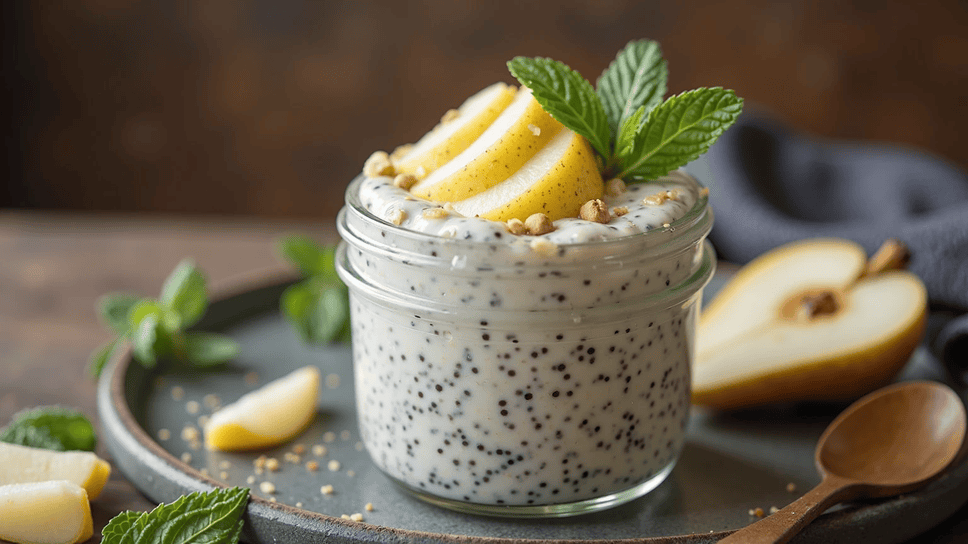
Recipe 1: Coconut Chia Pudding with Fresh Pears
⏱️ Prep: 5 minutes (+ overnight refrigeration)
🍽️ Servings: 2
✓ Histamine-Friendly: Yes
This creamy pudding is one of the easiest low-histamine breakfasts you can make. Prep it the night before and wake up to a ready-made meal that won’t trigger symptoms.
Why it works for histamine intolerance:
Chia seeds provide magnesium, which supports DAO enzyme function. Coconut milk contains lauric acid, which may help stabilize mast cells. Pears are one of the safest fruits for histamine intolerance.
Ingredients:
- 3 tbsp chia seeds
- 1 cup canned coconut milk (BPA-free, no gums or additives)
- 1 ripe pear, peeled and sliced
- 1 tsp vanilla extract (alcohol-free, optional)
Instructions:
- Mix coconut milk and chia seeds in a jar
- Stir well and refrigerate overnight
- Top with fresh pear slices before serving
Storage: Keeps for 3 days in the refrigerator
Tip: Use brands like Native Forest Organic Coconut Milk that contain only coconut and water—no gums or additives that might trigger symptoms.
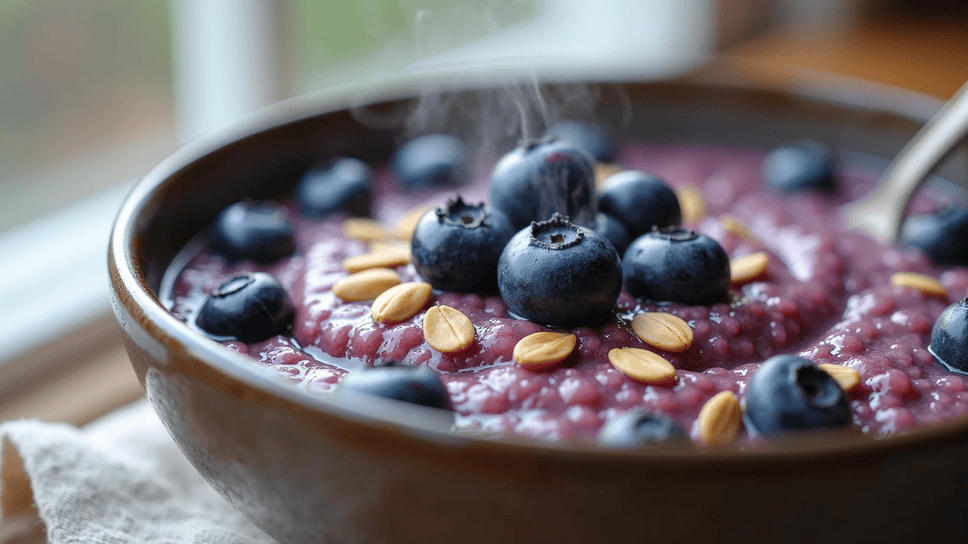
Recipe 2: Warm Quinoa Porridge with Blueberries
⏱️ Time: 10 minutes
🍽️ Servings: 1
✓ Histamine-Friendly: Yes
A protein-rich alternative to oatmeal that’s naturally gluten-free and packed with nutrients that support histamine metabolism.
Why it works:
Quinoa contains quercetin, a natural compound that helps stabilize mast cells. Frozen wild blueberries are lower in histamine than fresh cultivated berries and rich in anti-inflammatory compounds.
Ingredients:
- ½ cup quinoa flakes
- 1 cup homemade oat milk (or rice milk)
- ¼ cup frozen wild blueberries
- 1 tbsp raw pumpkin seeds
- Pinch of salt
Instructions:
- Combine quinoa flakes and milk in a small pot
- Simmer for 7 minutes, stirring frequently
- Add frozen blueberries and cook 2 more minutes
- Top with pumpkin seeds
Storage: Best eaten fresh; can refrigerate up to 24 hours
Equipment tip: The COSORI Air Fryer isn’t just for air frying—use its dehydrate function to keep fresh herbs and low-histamine ingredients preserved without fermentation.
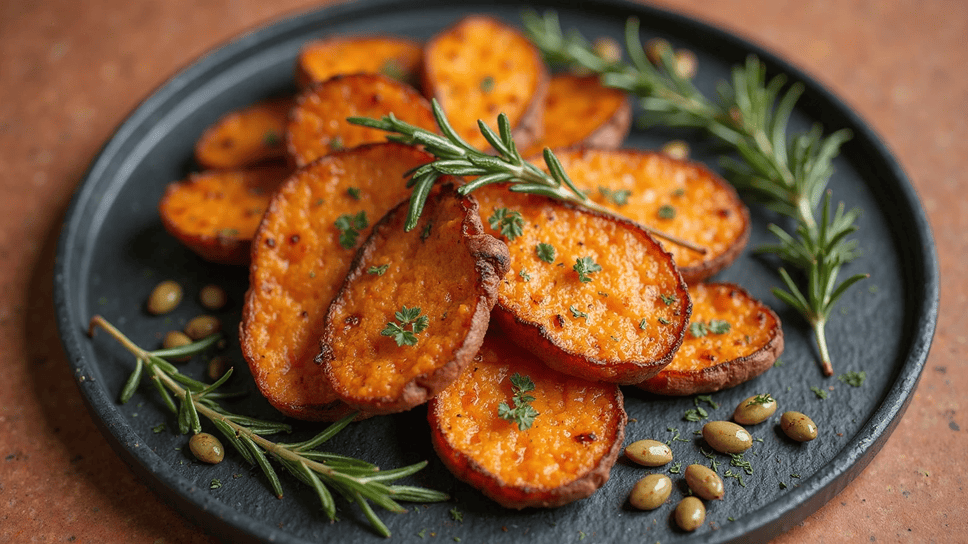
Recipe 3: Sweet Potato Toast
⏱️ Time: 12 minutes
🍽️ Servings: 1
✓ Histamine-Friendly: Yes
Skip the bread and use sweet potato slices instead. This recipe gives you the satisfying crunch of toast without grains or gluten.
Why it works:
Sweet potatoes (especially Hannah or Japanese varieties) are low in histamine and contain resistant starch that supports gut health. The beta-carotene helps maintain gut barrier integrity.
Ingredients:
- 1 medium sweet potato (Hannah or Japanese variety)
- 2 tbsp raw pumpkin seeds
- 1 tsp extra virgin olive oil
- Fresh rosemary (optional)
Instructions:
- Slice sweet potato lengthwise into ½-inch thick planks
- Toast in toaster 2-3 times until edges are crispy
- Or bake at 400°F for 10-12 minutes
- Drizzle with olive oil and top with pumpkin seeds
Storage: Best eaten immediately; can refrigerate cooked planks up to 24 hours
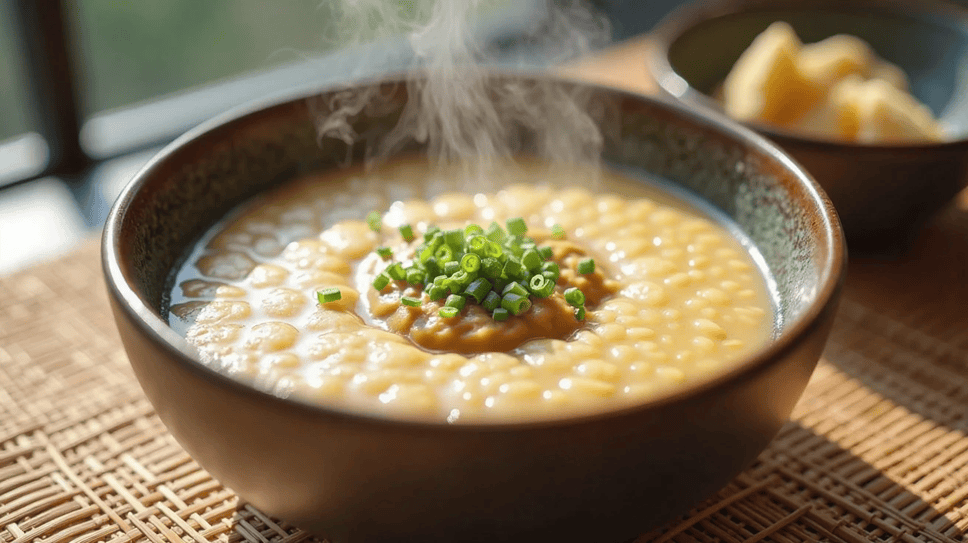
Recipe 4: Ginger Millet Congee
⏱️ Time: 15 minutes
🍽️ Servings: 1
✓ Histamine-Friendly: Yes
A warming, soothing porridge perfect for sensitive mornings. Millet is one of the few grains classified as histamine-neutral.
Why it works:
Ginger contains compounds that may help block histamine receptors. Millet is gentle on digestion and provides minerals that support DAO enzyme function.
Ingredients:
- ¼ cup hulled millet, well-rinsed
- 2 cups filtered water
- 1 tbsp freshly grated ginger
- 1 tbsp fresh chives (optional)
Instructions:
- Rinse millet thoroughly
- Combine millet and water in a pot
- Bring to boil, then simmer 12 minutes until creamy
- Stir in fresh ginger before serving
Storage: Consume fresh; avoid reheating more than once
Tip: Always grate ginger fresh—pre-grated versions oxidize and may increase histamine content.
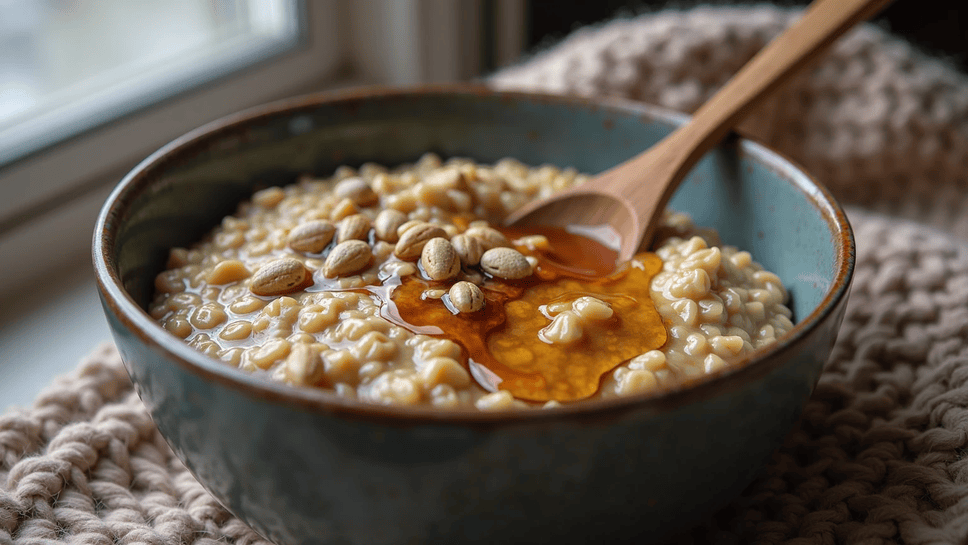
Recipe 5: Hemp Seed Oatmeal
⏱️ Time: 15 minutes
🍽️ Servings: 1
✓ Histamine-Friendly: Yes
A protein-packed bowl that provides all essential amino acids without animal products.
Why it works:
Hemp seeds offer complete protein without lectins that can trigger mast cells. Steel-cut oats have lower histamine than instant oats due to less processing.
Ingredients:
- ⅓ cup steel-cut oats (gluten-free)
- 1 cup filtered water
- 2 tbsp hulled hemp seeds
- 1 tsp maple syrup (optional)
Instructions:
- Combine oats and water in a pot
- Simmer 12-14 minutes, stirring occasionally
- Remove from heat and stir in hemp seeds
- Drizzle with maple syrup if desired
Storage: Best fresh; can refrigerate up to 24 hours
Kitchen essential: Use Ball Wide Mouth Mason Jars for storing dry ingredients like hemp seeds—glass prevents chemical leaching that might trigger sensitivities.
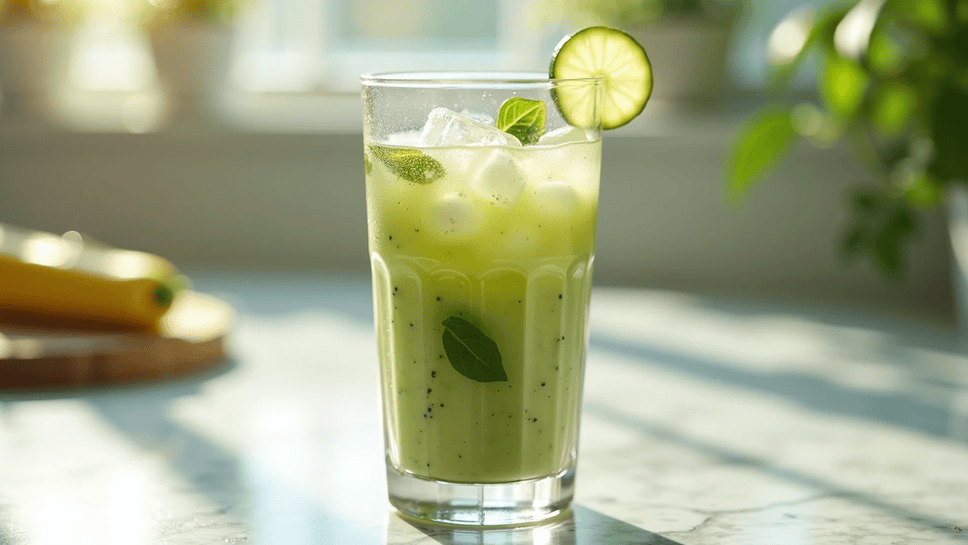
Recipe 6: Zucchini-Basil Green Smoothie
⏱️ Time: 5 minutes
🍽️ Servings: 1
✓ Histamine-Friendly: Yes
A refreshing, hydrating smoothie perfect for mornings when you need something cooling.
Why it works:
Zucchini is hydrating and low in histamine. Basil contains rosmarinic acid, which may help block histamine formation at the source.
Ingredients:
- 1 cup chopped zucchini (chilled)
- ½ cup organic coconut water (no additives)
- 10 fresh basil leaves
- 1 tbsp hulled hemp seeds
Instructions:
- Add all ingredients to blender
- Blend 45-60 seconds until smooth
- Serve immediately while cold
Storage: Best consumed immediately; not suitable for storage
Blender recommendation: The Vitamix E310 Explorian processes fresh ingredients quickly without overheating, which is important for keeping histamine levels low.
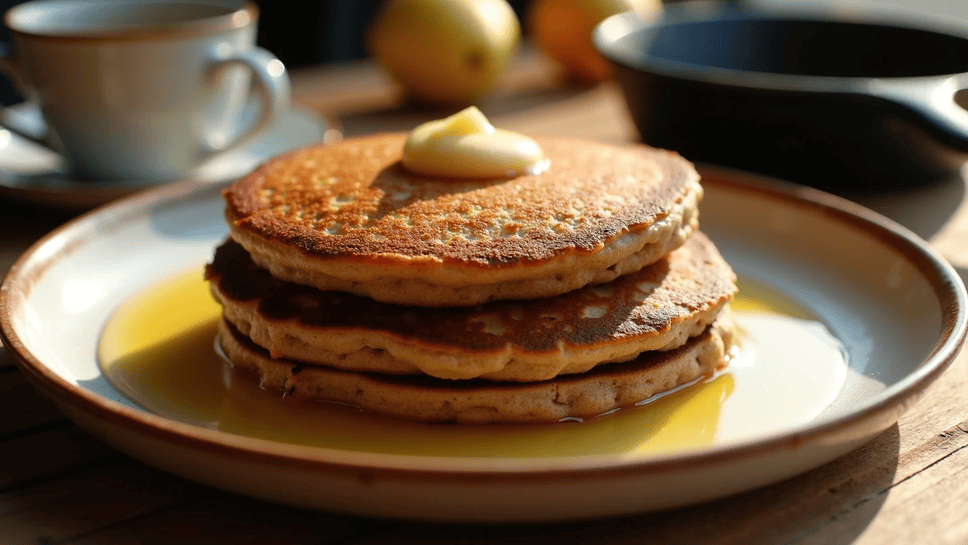
Recipe 7: Buckwheat Pancakes
⏱️ Time: 10 minutes
🍽️ Servings: 2 pancakes
✓ Histamine-Friendly: Yes
Fluffy, satisfying pancakes without eggs or dairy. Despite the name, buckwheat is gluten-free and unrelated to wheat.
Why it works:
Buckwheat contains rutin and quercetin, compounds that help stabilize mast cells and support healthy histamine levels.
Ingredients:
- ½ cup buckwheat flour
- ½ cup homemade oat milk
- ¼ tsp baking soda (aluminum-free)
- 1 tbsp olive oil
Instructions:
- Whisk flour, oat milk, and baking soda until smooth
- Heat non-stick skillet over medium-low
- Pour ¼ cup batter and cook 3 minutes per side
- Top with fresh pear slices or drizzle of olive oil
Storage: Best made fresh; batter doesn’t keep well
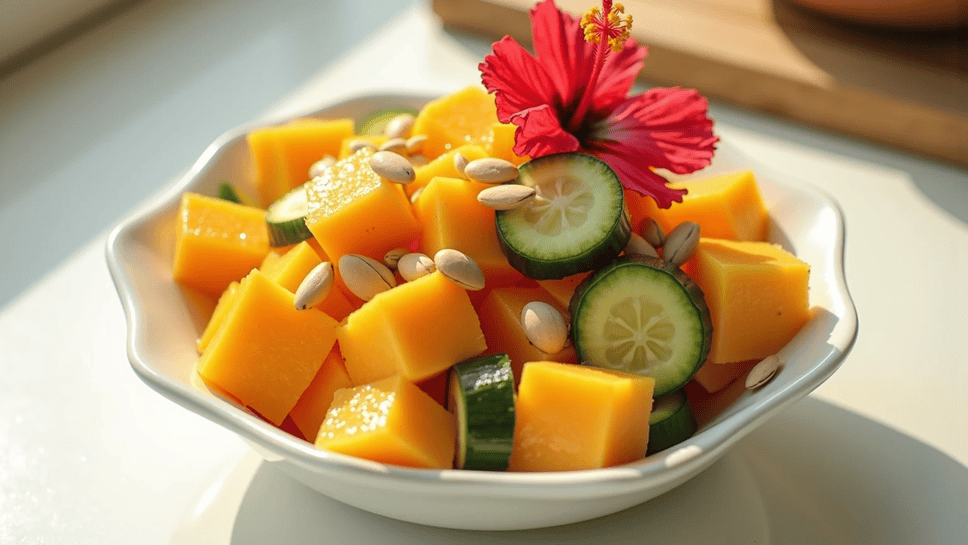
Recipe 8: Mango-Cucumber Salad
⏱️ Time: 6 minutes
🍽️ Servings: 1
✓ Histamine-Friendly: Yes
A refreshing, light breakfast perfect for warm mornings.
Why it works:
Mangoes (especially Ataulfo variety) are low in histamine and high in vitamin C, which supports DAO enzyme production. Cucumbers are cooling and gentle on digestion.
Ingredients:
- ½ cup diced fresh mango (Ataulfo variety)
- ½ cup peeled, diced cucumber
- 1 tsp extra virgin olive oil
- 1 tbsp raw pumpkin seeds
Instructions:
- Combine mango and cucumber in a bowl
- Drizzle with olive oil
- Top with pumpkin seeds
Storage: Best eaten immediately
Tip: Always peel cucumbers to reduce lectins, which can trigger mast cells in sensitive individuals.
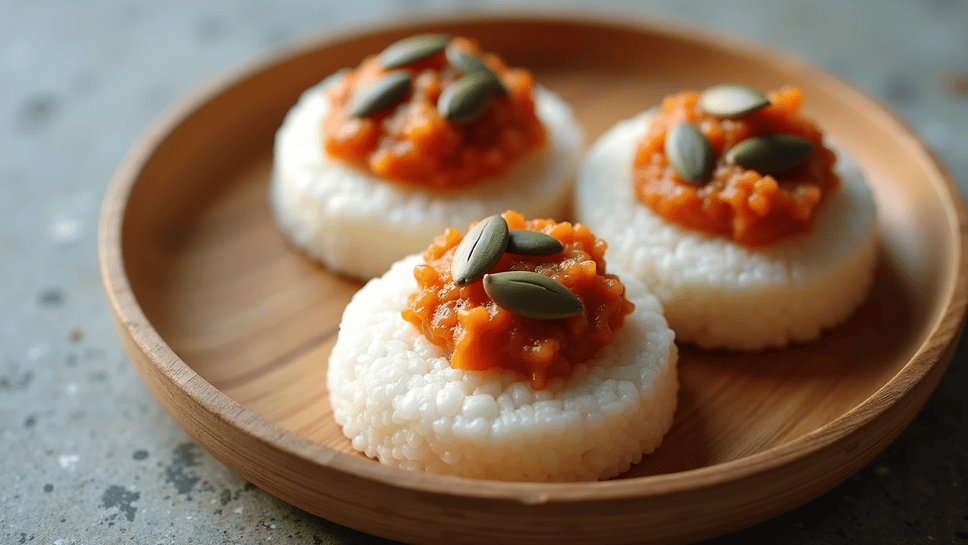
Recipe 9: Rice Cakes with Mashed Adzuki Beans
⏱️ Time: 5 minutes
🍽️ Servings: 1
✓ Histamine-Friendly: Yes
A quick, protein-rich option when you need something portable.
Why it works:
Adzuki beans are among the lowest histamine legumes when properly prepared. They provide protein, fiber, and molybdenum (which helps process sulfites).
Ingredients:
- ¼ cup BPA-free canned adzuki beans (Eden Foods brand recommended)
- 2 plain rice cakes
- 1 tbsp raw pumpkin seeds
- Pinch of sea salt
Instructions:
- Rinse beans thoroughly and mash lightly
- Spread on rice cakes
- Top with pumpkin seeds and optional salt
Storage: Assemble immediately before eating
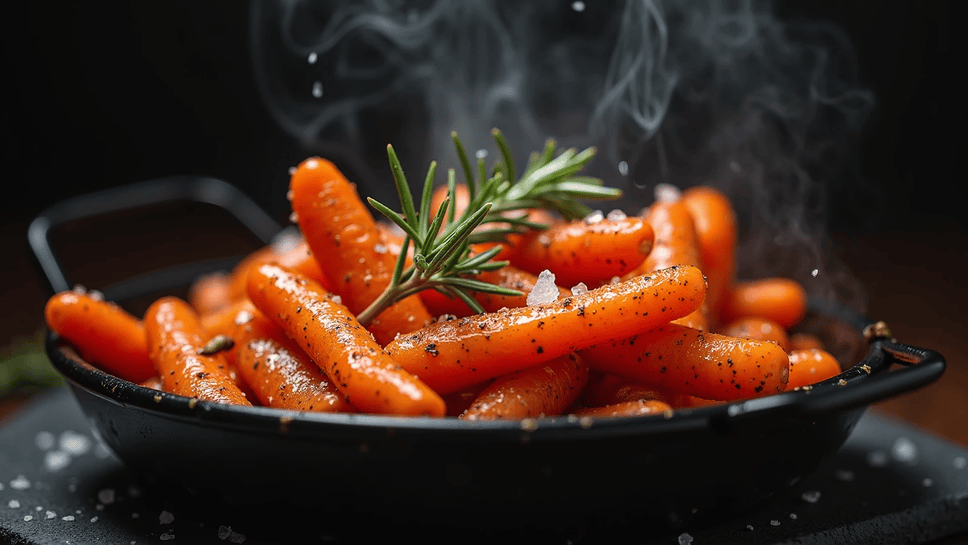
Recipe 10: Rosemary Roasted Carrots
⏱️ Time: 14 minutes
🍽️ Servings: 2
✓ Histamine-Friendly: Yes
A savory breakfast side that’s nourishing and anti-inflammatory.
Why it works:
Rosemary contains carnosic acid, which crosses the blood-brain barrier and may help calm mast cells. Carrots are low in histamine and rich in beta-carotene for immune support.
Ingredients:
- 1 cup baby carrots
- 1 tsp extra virgin olive oil
- 1 tsp fresh rosemary, chopped
- Pinch of sea salt
Instructions:
- Toss carrots with olive oil and rosemary
- Air-fry at 390°F for 12-14 minutes
- Season with salt before serving
Storage: Best fresh; can refrigerate up to 24 hours
Essential Kitchen Tools for Success
Having the right equipment makes low-histamine cooking much easier:
For storage: Rubbermaid Brilliance Glass Containers help you track freshness and avoid plastic chemicals that might trigger sensitivities
For precision: Escali Digital Kitchen Scale ensures consistent measurements of DAO-supporting seeds and ingredients
Remember: Even with proper storage, consume prepared foods within 24 hours to minimize histamine buildup.
Meal Prep Tips for Low Histamine Breakfasts
The 24-Hour Rule
Histamine builds up in food over time, even when refrigerated. For breakfast, this means:
Safe to prep ahead:
- Chia pudding (keeps 3 days)
- Dry ingredient mixes
- Chopped vegetables (stored properly)
Must make fresh:
- All cooked grains and porridges
- Smoothies
- Assembled meals
Batch Prep Strategy
Instead of making full meals ahead, prep components:
- Wash and chop allowed vegetables
- Portion out seeds and dry ingredients
- Store fresh herbs properly
- Keep fruits whole until ready to use
This way, you can quickly assemble fresh breakfast without starting from scratch every morning.
Common Questions About Low Histamine Breakfasts
Can I meal prep these breakfasts?
Some yes, some no. Chia pudding keeps well for 3 days. But cooked grains, porridges, and smoothies are best made fresh. The 24-hour rule is important—histamine builds up in food over time, even when refrigerated.
Why can’t I use overnight oats?
The long soaking time (8-12 hours) can increase histamine levels, especially at room temperature. If you want oats, cook them fresh each morning.
Are all coconut milks safe?
No. Choose brands with only coconut and water—no gums, carrageenan, or other additives. BPA-free cans are essential. Native Forest Simple and Aroy-D are good options.
What if I react to these foods?
Everyone’s tolerance is different. Start with the simplest recipes (like sweet potato toast or rice cakes) and add one new ingredient at a time. Keep a food journal to identify your personal triggers.
Can I add protein powder to smoothies?
Most protein powders are processed and may trigger symptoms. Hemp seeds provide complete protein naturally. If you need extra protein, try freshly cooked quinoa cooled to room temperature.
Why wild blueberries specifically?
Frozen wild blueberries have lower histamine than fresh cultivated berries due to flash-freezing immediately after harvest. They’re also richer in beneficial compounds.
Is maple syrup okay for histamine intolerance?
Pure maple syrup is generally well-tolerated in small amounts. Avoid syrups with additives or “natural flavors” which can be problematic.
What about coffee or tea?
Coffee can be problematic for many people with histamine intolerance. If you tolerate it, fresh-brewed is better than old coffee. Green tea is sometimes better tolerated than black tea. Listen to your body.
Do I need to take DAO supplements?
Some people find DAO supplements helpful, especially when eating out or during high-histamine exposure. Talk to your healthcare provider about whether they’re appropriate for you. Focus on food first.
How long before I notice improvement?
Many people notice reduced symptoms within the first week of eating low-histamine breakfasts. Full benefits may take 2-4 weeks as histamine levels decrease and your body recovers.
Next Steps: Your Low Histamine Journey
Managing histamine intolerance through breakfast is just the beginning. These recipes give you a foundation of safe, nourishing options that won’t trigger morning symptoms.
Start here:
- Choose 2-3 recipes that appeal to you most
- Make them this week and note how you feel
- Download our free symptom tracker to identify patterns
- Gradually expand your safe breakfast rotation
Remember: Everyone’s tolerance is different. What works for one person might not work for another. Give yourself time to find your personal balance.
More Low Histamine Resources
Continue building your low-histamine meal plan:
- Low Histamine Food List: Complete Guide
- 5 Low Histamine Soup Recipes
- 15-Minute Low Histamine Rice Bowl
- Understanding Histamine Intolerance: Complete Guide
Free downloads:
- 14-Day Symptom & Trigger Tracker
- High-Fiber Low-Histamine Shopping List – Your Complete Weekly Shopping Guide
- 7-Day High-Fiber Meal Plan
- Low-Histamine Food Swaps Guide
References
- Comas-Basté N, et al. Histamine Intolerance: The Current State of the Art. Biomolecules. 2020. https://pubmed.ncbi.nlm.nih.gov/32325916/
- Maintz L, Novak N. Histamine and histamine intolerance. Am J Clin Nutr. 2007. https://pubmed.ncbi.nlm.nih.gov/17490952/
- Schnedl WJ, et al. Evaluation of symptoms and symptom combinations in histamine intolerance. Intest Res. 2019. https://pubmed.ncbi.nlm.nih.gov/31085950/
- EFSA BIOHAZ Panel. Risk-Based Control of Biogenic Amines in Fermented Foods. EFSA Journal. 2011. https://efsa.onlinelibrary.wiley.com/doi/10.2903/j.efsa.2011.2393
- Hrubisko M, et al. Histamine Intolerance—The More We Know the Less We Know. Nutrients. 2021. https://pubmed.ncbi.nlm.nih.gov/34199653/
Important: This information is for educational purposes only. Everyone’s histamine tolerance is different. Talk to your doctor before making major dietary changes, especially if you have other health conditions or take medications.
Note: This article contains affiliate links. If you purchase through these links, we may earn a small commission at no extra cost to you. We only recommend products we believe are helpful for managing histamine intolerance.


My six year old had histamine intolerance but lately also struggling with coconut milk giving her tummy pain and lose stools. Any thoughts on substitute for good quality fats please