
Standing in the grocery store, reading labels, trying to remember which foods are “safe” and which might trigger symptoms—it’s exhausting. You’re hungry, overwhelmed, and worried that everything you pick up will make you feel worse.
If you’ve recently learned about histamine intolerance, the list of foods to avoid can feel impossibly long. Fermented foods, aged cheeses, leftovers, cured meats, many fruits and vegetables—it seems like everything you normally eat is suddenly off-limits.
Here’s the truth: Yes, some foods are problematic for histamine intolerance. But there are also plenty of delicious, nutritious foods that are low in histamine and won’t trigger symptoms. You can eat well, feel satisfied, and still enjoy your meals.
This guide provides clear, practical Low Histamine Food Lists organized by category, plus tips for grocery shopping, meal planning, and navigating the inevitable gray areas.
What You’ll Learn
- Which foods are consistently safe for histamine intolerance
- High-histamine foods to avoid (at least initially)
- Why “freshness” is more important than the specific food
- How to read labels and identify hidden histamine sources
- Practical grocery shopping strategies
- Why food lists vary and how to interpret conflicting information
- How to test your individual tolerance levels
Understanding which foods to eat and avoid is the foundation of managing histamine intolerance. But it’s not about memorizing endless lists—it’s about understanding principles and learning what works for YOUR body.
Understanding Histamine in Foods
Before we dive into specific foods, let’s quickly cover the basics of how histamine accumulates in food.
Histamine Formation in Food
Histamine isn’t inherently in food—it forms when certain bacteria break down the amino acid histidine. This happens:
- During fermentation: Yogurt, sauerkraut, wine, and aged cheese are high in histamine because fermentation produces it
- As food ages: Fresh fish develops histamine within hours; meat develops it within days
- During ripening: Bananas and avocados increase in histamine as they ripen
- With improper storage: Temperature fluctuations accelerate histamine formation
This is why “fresh” is the golden rule for histamine intolerance. A food that’s low-histamine when fresh can become high-histamine after sitting in your fridge for days.
Individual Variation
Food tolerance varies from person to person. What triggers severe symptoms in one person might be perfectly fine for another. Factors that affect your tolerance include:
- Overall histamine load (the “bucket” concept)
- Current stress levels
- Sleep quality
- Hormonal status (especially for women)
- Gut health and DAO enzyme production
- Other foods eaten that day
- Whether you’ve taken antihistamines or DAO supplements
This means: Use food lists as starting guidelines, not absolute rules. Your body is the final authority.
Low Histamine Food List: The Safe Options
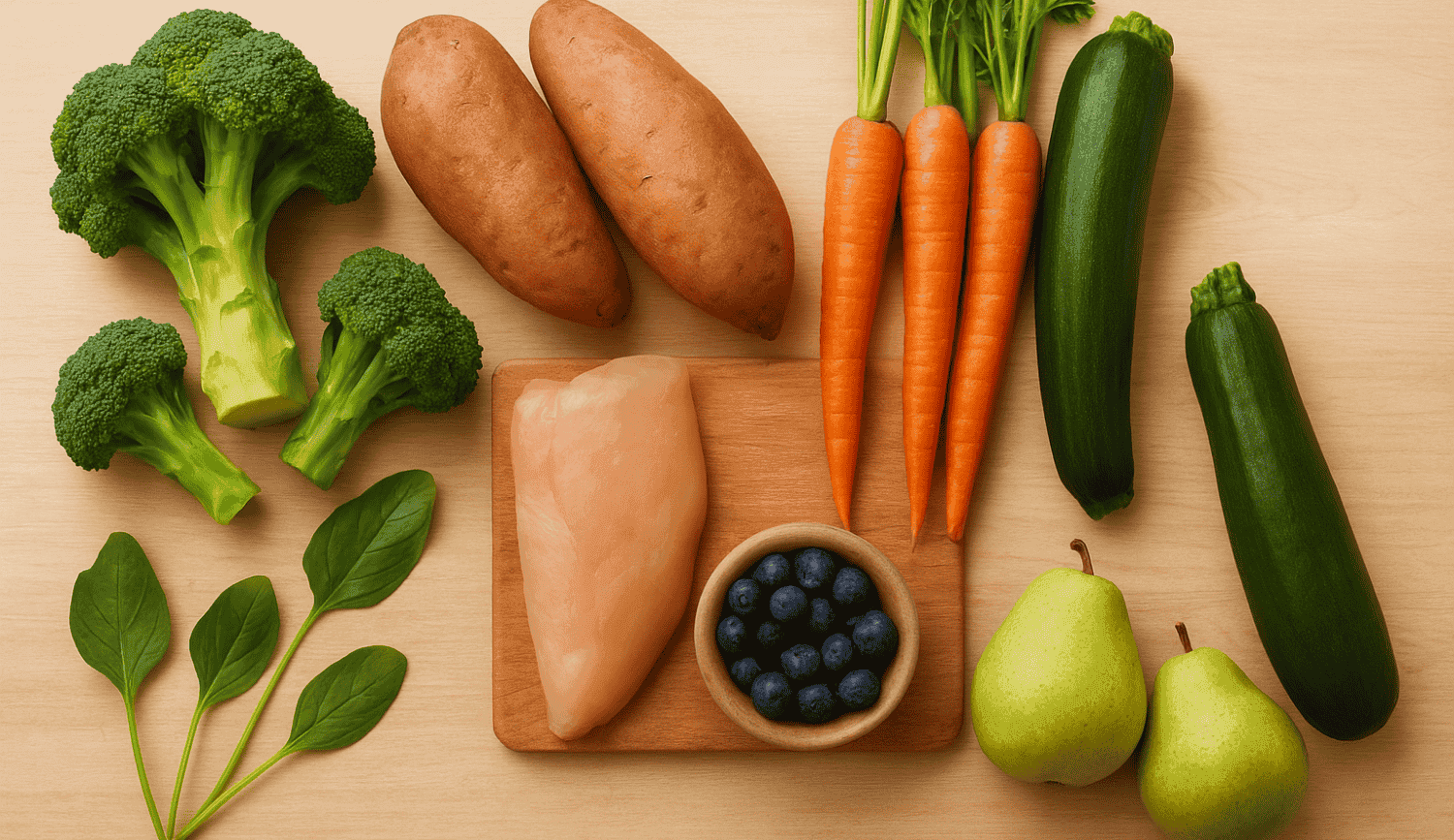
These foods are generally well-tolerated during the elimination phase of a low-histamine diet. Remember: always buy fresh and consume quickly.
Proteins
Fresh meat (eaten same day or frozen immediately):
- Chicken
- Turkey
- Lamb
- Beef (fresh only, not aged)
- Pork
- Game meats (if very fresh)
Fresh fish (eaten within hours of purchase):
- Cod
- Haddock
- Sole
- Pollock
- Trout (if very fresh)
- Bass
Eggs:
- Chicken eggs (most people tolerate these well)
- Duck eggs
- Quail eggs
Note on eggs: While eggs contain some histamine, many people tolerate them fine, especially when fresh. Test individually.
Vegetables
Generally safe vegetables:
- Leafy greens (lettuce, arugula, bok choy, kale—not spinach)
- Broccoli
- Cauliflower
- Brussels sprouts
- Cabbage
- Carrots
- Sweet potatoes
- Butternut squash
- Zucchini
- Cucumbers
- Celery
- Asparagus
- Beets (some people react; test individually)
- Green beans
- Radishes
- Onions (cooked or raw)
- Leeks
- Artichokes
Vegetable notes:
- Raw vs cooked tolerance varies by person
- Nightshades (tomatoes, eggplant, peppers) are controversial—see section below
- Freshness still matters for vegetables
Fruits
Lower-histamine fruits:
- Apples
- Pears
- Peaches
- Apricots (fresh, not dried)
- Cherries
- Blueberries
- Blackberries
- Mangoes
- Melons (cantaloupe, honeydew, watermelon)
- Grapes (some people react to the skins)
- Figs (fresh only)
- Pomegranate
Fruit guidelines:
- Eat fruits fresh, never overripe
- Remove skins if you suspect tannin sensitivity
- Frozen fruits are often well-tolerated
- Dried fruits are generally high-histamine (avoid)
Grains and Starches
Well-tolerated options:
- White rice
- Brown rice
- Quinoa
- Oats (cooked fresh, not overnight)
- Rice noodles
- Millet
- Cornmeal and polenta
- Rice crackers
- Rice cakes
- Gluten-free breads (check ingredients)
- Corn tortillas
- Sweet potatoes
- Regular potatoes
Grain notes:
- Most people tolerate gluten-containing grains (wheat, barley, rye) fine from a histamine perspective
- However, gluten can worsen gut issues, which affects histamine tolerance
- Choose based on your individual situation
Fats and Oils
Safe choices:
- Olive oil (extra virgin)
- Coconut oil
- Butter (if dairy-tolerant)
- Ghee
- Avocado oil (though avoid avocados themselves initially)
- Sunflower oil
- Safflower oil
Dairy
Lower-histamine options:
- Fresh milk (if dairy-tolerant)
- Cream
- Cream cheese (very fresh)
- Butter
- Ghee
- Fresh mozzarella (if very fresh)
- Fresh ricotta
Important: Aged and fermented dairy products are high in histamine. Avoid yogurt, kefir, aged cheeses, and sour cream during elimination.
Herbs and Spices
Generally safe:
- Basil
- Cilantro
- Parsley
- Rosemary
- Thyme
- Oregano
- Mint
- Sage
- Ginger (fresh)
- Turmeric (fresh or dried)
- Garlic
- Salt
- Black pepper (small amounts)
Note: Individual reactions to spices vary. Some people react to black pepper, chili, curry, or other spices.
Beverages
Safe options:
- Water (filtered)
- Herbal teas (chamomile, mint, ginger—not black or green tea)
- Coconut water (fresh)
- Fresh vegetable juices (carrot, celery, cucumber)
- Fresh fruit juice (from low-histamine fruits)
Sweeteners
Better choices:
- Pure maple syrup
- Honey (raw, local honey may cause issues for some)
- Coconut sugar
- Stevia (pure, not blends)
- Monk fruit sweetener
High-Histamine Foods: What to Avoid
During the elimination phase (2-4 weeks), avoid these foods to see if symptoms improve.
High-Histamine Proteins
Avoid:
- All fermented or cured meats (salami, pepperoni, bacon, ham, hot dogs, sausage)
- Smoked fish or meat
- Canned fish (tuna, sardines, anchovies)
- Shellfish (shrimp, lobster, crab, oysters)
- Leftover meat or fish (more than 24 hours old)
- Aged or processed meats
- Fish that’s been sitting (even in the fridge)
Why: These foods either contain high levels of naturally occurring histamine or develop it rapidly during processing or storage.
Fermented Foods
Avoid:
- Yogurt
- Kefir
- Sauerkraut
- Kimchi
- Kombucha
- Miso
- Tempeh
- Soy sauce
- Fish sauce
- Pickles (in vinegar)
- Any fermented vegetables
Why: Fermentation produces histamine as bacteria break down proteins.
Aged Cheese
Avoid:
- Cheddar
- Parmesan
- Swiss
- Gouda
- Blue cheese
- Brie
- Camembert
- Any aged cheese
Why: The longer cheese ages, the more histamine it contains.
High-Histamine Vegetables
Avoid or test carefully:
- Tomatoes (and all tomato products: sauce, paste, ketchup)
- Spinach
- Eggplant
- Avocado
- Fermented vegetables (pickles, sauerkraut)
Note: Tomatoes are particularly difficult because they’re in so many prepared foods.
High-Histamine Fruits
Avoid:
- Strawberries
- Bananas (especially overripe)
- Citrus fruits (oranges, lemons, limes, grapefruit)
- Pineapple
- Papaya
- Kiwi
- Dried fruits (dates, raisins, prunes)
Alcohol
Avoid all alcohol, especially:
- Wine (especially red wine)
- Beer
- Champagne
- Hard cider
Why: Alcohol contains histamine from fermentation, blocks DAO enzyme, and increases intestinal permeability.
Other High-Histamine Foods
Avoid:
- Vinegar (and vinegar-containing products)
- Chocolate and cocoa
- Nuts (especially walnuts and cashews)
- Peanuts
- Soy products (except fresh tofu for some people)
- Yeast and yeast extracts
- Food additives and preservatives
- MSG (monosodium glutamate)
- Artificial colors and flavors
The Gray Area: Test These Individually
Some foods don’t fit neatly into “safe” or “avoid” categories. Individual tolerance varies widely.
Controversial Foods
Bell peppers: Some people tolerate them; others react (nightshade family)
Mushrooms: Mixed reports—some people tolerate fresh mushrooms fine
Legumes: Beans and lentils are technically low-histamine but can cause digestive issues that worsen symptoms
Nuts and seeds: Vary widely by type and person. Macadamia nuts and hazelnuts are often better tolerated than walnuts or cashews
Papaya and pineapple: High in histamine-releasing enzymes but also contain digestive enzymes that may help some people
Citrus: While high in histamine, the vitamin C content is beneficial. Some people tolerate small amounts
How to Test Gray Area Foods
- Wait until your symptoms have stabilized (usually 2-4 weeks into elimination)
- Choose one food to test
- Eat a small amount (1-2 tablespoons)
- Wait 48-72 hours and monitor symptoms
- If no reaction, try a larger portion
- If still fine, incorporate into your rotation
- Move on to test the next food
Document everything in your symptom journal.
Practical Shopping Strategies
Reading Labels
Avoid products containing:
- Vinegar or acetic acid
- Natural flavors (can hide MSG or yeast extract)
- Hydrolyzed protein
- Autolyzed yeast
- Glutamate or glutamic acid
- Caseinate
- Sodium nitrite or nitrate
- BHA, BHT, TBHQ (preservatives)
- Artificial colors (especially tartrazine/yellow 5)
- Carrageenan
- Citric acid (for very sensitive individuals)
Look for:
- Short ingredient lists
- Recognizable whole foods
- “No preservatives added”
- Fresh or frozen (not canned)
- Minimal processing
Shopping Tips
Protein section:
- Buy meat and fish the day you plan to cook it
- Ask the butcher when meat was packaged
- Choose the freshest-looking cuts
- Consider buying frozen if very fresh wasn’t available
- Freeze individual portions immediately when you get home
Produce section:
- Choose firm, fresh-looking produce
- Avoid bruised or overripe items
- Buy smaller quantities more frequently
- Consider organic to reduce pesticide load (which can trigger mast cells)
Frozen foods:
- Frozen fruits and vegetables are often excellent choices
- They’re frozen at peak freshness
- No histamine accumulation in storage
- Check ingredients—should just be the food itself
Pantry items:
- Buy smaller containers to ensure freshness
- Check expiration dates
- Store in airtight containers
- Consider glass storage jars to maintain freshness
Store Brands vs Name Brands
Quality doesn’t always correlate with price. However:
- Organic produce may reduce pesticide-related reactions
- Higher-quality proteins often mean fresher
- Some people react to fillers in cheaper products
- Read labels regardless of brand
Consider investing in quality storage containers to keep foods fresh longer.
Meal Planning Made Simple
The Fresh Food Focus
Core principle: Cook what you’ll eat that day. Freeze any extras immediately.
Sample day:
Breakfast:
- Scrambled eggs with sautéed zucchini
- Rice cakes with butter
- Fresh apple slices
- Herbal tea
Lunch:
- Fresh grilled chicken breast
- Simple salad (lettuce, cucumber, carrots, olive oil)
- Cooked quinoa
- Fresh pear
Dinner:
- Baked cod with fresh herbs
- Roasted sweet potato
- Steamed broccoli
- Fresh blueberries
Snacks:
- Rice crackers with fresh cream cheese
- Carrot sticks
- Fresh peach
- Homemade rice pudding (fresh milk)
Batch Cooking Strategy
The freeze-immediately method:
- Cook a larger batch (e.g., 4 chicken breasts)
- Portion what you’ll eat today
- Immediately freeze remaining portions in individual containers
- Thaw and reheat within 1-2 months
Foods that freeze well:
- Cooked chicken, turkey, beef
- Cooked rice, quinoa
- Soups (without dairy or tomatoes)
- Fresh-baked breads
- Cookie dough
- Prepared vegetables
For meal ideas, check our low-histamine breakfast recipes.
Why Food Lists Vary
If you’ve looked at multiple histamine food lists, you’ve probably noticed they don’t always agree. This is frustrating but understandable.
Reasons for variation:
Limited research: There aren’t extensive studies on histamine content in every food
Individual variation: What triggers one person may be fine for another
Freshness factor: The same food can be low or high histamine depending on age and storage
Different testing methods: Various resources use different criteria
Histamine liberators vs histamine-containing: Some lists separate foods that contain histamine from foods that trigger its release
The SIGHI approach: The Swiss Interest Group Histamine Intolerance (SIGHI) maintains the most comprehensive, research-based list. They use a 0-3 scale:
- 0 = Well tolerated
- 1 = Generally tolerated
- 2 = Poorly tolerated
- 3 = Not tolerated
During elimination, stick to 0 and 1 foods.
Common Questions
How long should I stay on a strict low-histamine diet? The elimination phase should last 2-4 weeks—just long enough to see if symptoms improve. Staying longer than necessary can lead to nutritional deficiencies and unnecessary food fear. After symptoms stabilize, begin systematic reintroduction.
Can I eat leftovers at all? During the strict elimination phase, avoid leftovers. Once you know your triggers and symptoms have improved, you can test refrigerated leftovers carefully. Some people tolerate food refrigerated for 24 hours; others react within 12 hours. Freezing immediately is always safer.
Why can’t I eat spinach but other greens are fine? Spinach is naturally higher in histamine than other leafy greens. However, many people tolerate it fine once they’ve stabilized. Test it individually during reintroduction.
Is organic food necessary? Not from a histamine perspective specifically, but pesticides and chemicals can trigger mast cells in sensitive individuals. If budget allows, prioritizing organic produce may reduce overall trigger load.
What about bone broth? Bone broth is controversial. Long cooking times can increase histamine content. Some people tolerate shorter-cooked bone broth (2-4 hours); others need to avoid it entirely. Test individually.
Can I ever eat aged cheese or wine again? Maybe. Many people can reintroduce small amounts of higher-histamine foods once they’ve healed gut issues and reduced overall inflammation. Some people need to avoid them long-term. The only way to know is through careful testing.
How do I get enough calcium without dairy? Low-histamine calcium sources include: fortified plant milks, leafy greens (collards, kale), sesame seeds (tahini), sardines (if tolerated), calcium-fortified orange juice (if citrus tolerated), and calcium supplements.
What about protein powder? Most protein powders are problematic due to processing and additives. If needed, choose simple, fresh options: pea protein isolate (unflavored), rice protein, or collagen peptides. Test small amounts first.
Can I eat out at restaurants? It’s challenging but possible. Choose restaurants where food is made to order. Request plain grilled chicken or fish, steamed vegetables, and plain rice. Avoid sauces, marinades, and complex preparations. Call ahead during off-hours to explain your needs.
Do I need to avoid all high-FODMAP foods too? Not necessarily, unless you also have SIBO or IBS. However, digestive issues often coexist with histamine intolerance. If FODMAPs are also a problem, you’ll need to follow both restrictions—work with a dietitian to ensure adequate nutrition.
Your Action Plan
This week:
- Print or save this food list – Keep it handy for shopping
- Clean out your pantry – Remove obvious high-histamine foods (or set them aside for reintroduction later)
- Plan 2-3 simple meals – Using only low-histamine foods
- Make your first shopping trip – Buy fresh, buy small quantities
This month:
- Stick to the safe list – Give your body a break from high-histamine foods
- Track your symptoms – Use our free symptom tracker
- Develop a rotation – Find 5-7 meals you can rotate to avoid boredom
- Master one batch-cooking technique – Practice the freeze-immediately method
Long-term:
- Begin reintroduction – Once symptoms improve, test one food at a time
- Build your personal list – Discover which foods YOU tolerate
- Expand your repertoire – Add new recipes gradually
- Focus on nutrient density – Ensure you’re getting adequate nutrition
Continue Learning
Explore more resources for low-histamine eating:
- Complete Beginner’s Guide to Histamine Intolerance
- Low Histamine Breakfast Ideas
- DAO Deficiency Explained
- Weight Gain and Histamine
Free downloadable resources:
- 14-Day Symptom & Trigger Tracker
- High-Fiber Low-Histamine Shopping List – Your Complete Weekly Shopping Guide
- 7-Day High-Fiber Meal Plan
- Low-Histamine Food Swaps Guide
Final Thoughts
Yes, the low-histamine diet requires more thought and planning than eating freely. Fresh food preparation takes time. Reading labels gets tedious. And there will be moments of frustration when you realize your favorite food is off the list.
But here’s what also happens: Your symptoms improve. Your energy returns. You start feeling like yourself again. And eventually, you discover which foods truly trigger YOUR symptoms versus which ones you can actually enjoy.
This isn’t about restriction forever—it’s about discovery. You’re learning to listen to your body, identify your triggers, and build a sustainable way of eating that supports your health.
The goal is always to eat the widest variety of nutritious foods your body can tolerate. Use this list as your starting point, not your permanent destination.
Important: This food list is for educational purposes and not a substitute for medical advice. Work with healthcare providers and registered dietitians when making significant dietary changes. Individual tolerance varies—what works for one person may not work for another.
Note: This article contains affiliate links. If you purchase through these links, we may earn a small commission at no extra cost to you. We only recommend products that genuinely support food storage and freshness for histamine management.




Nice Post.
Thank you, Derick! Really glad you found it helpful — appreciate you taking the time to comment.